Why they work
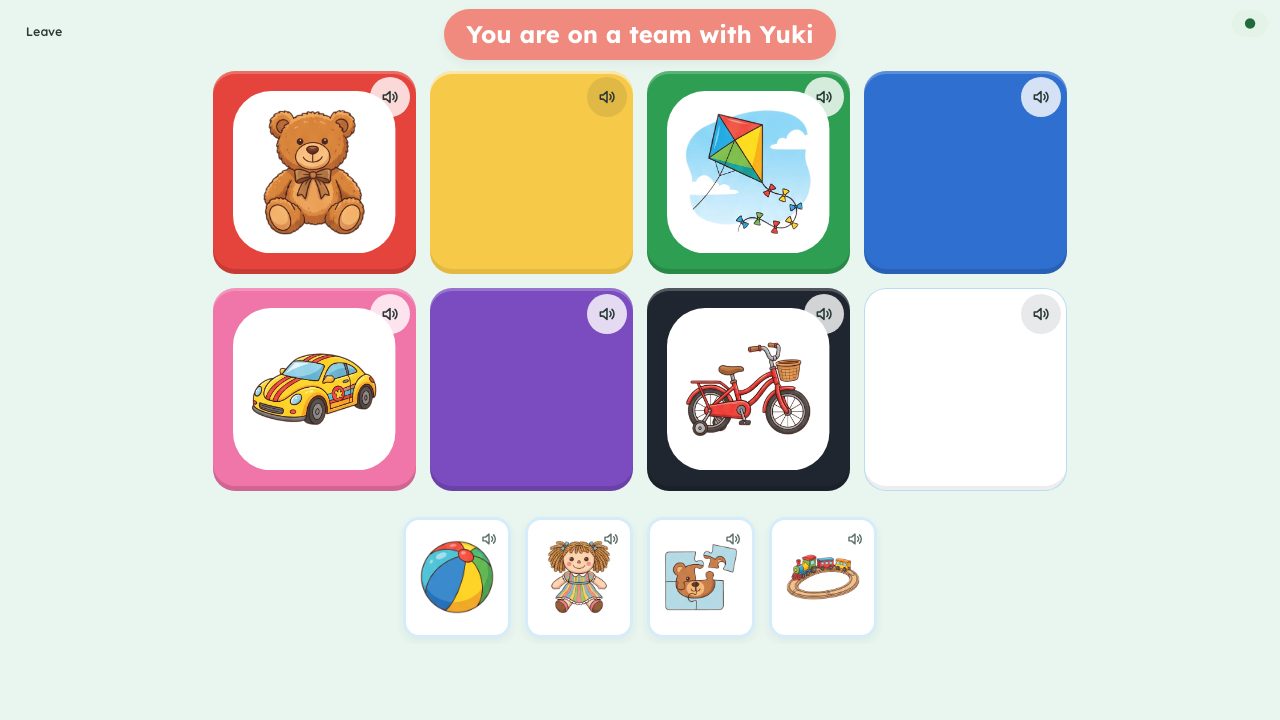
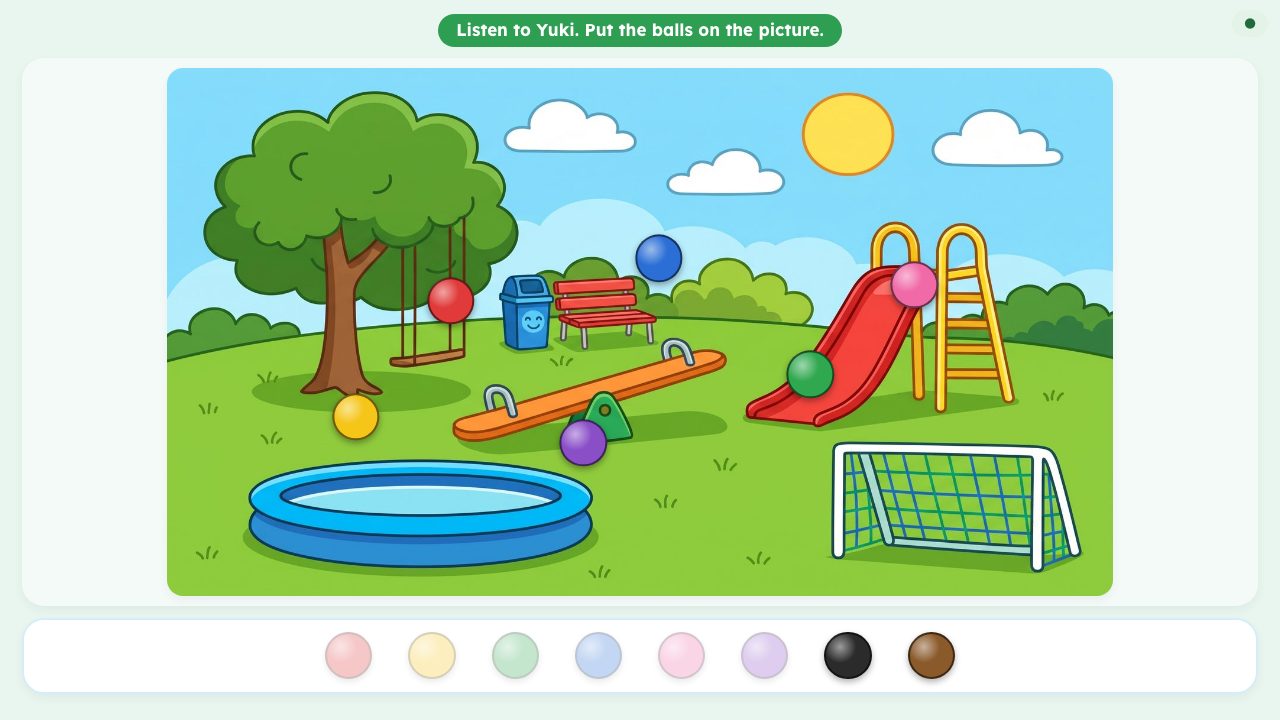
Barrier games are one of the few speaking activities where the talking is not optional, and where the English a child produces is English they genuinely needed.
Every child speaks. In a class discussion, five children talk. In a barrier game, all thirty do, at the same time, in pairs.
There is a real reason to talk. The listener genuinely needs some information, and so the speaker has to make themselves understood. Linguists call this an information gap, and it is the difference between practising language and using it.
Children fix their own English. “Under the table? Or on?” — that checking and repairing (negotiation of meaning, in the research) is where a lot of the learning happens, and a barrier game produces it constantly.
The language is targeted. A picture full of animals in places drills prepositions; a set of faces drills descriptions; a timetable drills times. You choose the picture, the picture chooses the language.
Almost no preparation. Two copies of a picture, a folder, ten minutes.
None of this is new: it is Long’s interaction hypothesis and Swain’s work on output, and speech and language therapists have used these games since the 1980s.